

The Role of Emotion in Gambling Choices
Emotion plays a pivotal role in shaping the decisions individuals make while gambling. The thrill of anticipation, coupled with the potential for considerable rewards, can elicit feelings that drive players to engage in riskier behaviors. This emotional response often leads to impulsive decisions, where players might wager more than they intended because they become overwhelmed by the excitement of the game. Engaging in non gamstop betting can further amplify these emotions, leading to even more spontaneous choices.
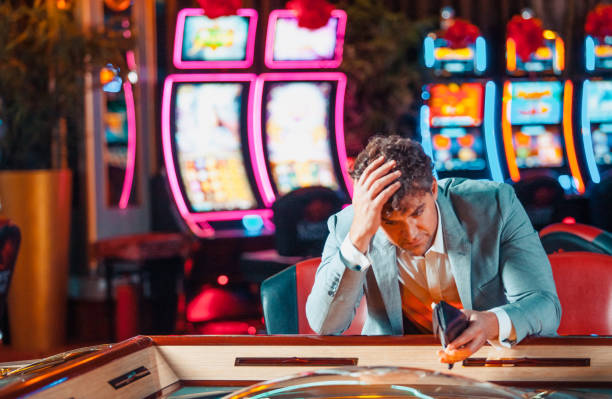
Furthermore, the excitement associated with winning can create a psychological high, reinforcing the behavior that led to the win. Gamblers often chase this euphoric state, leading them to return to the casino with the hope of duplicating their earlier successes. This cycle of emotional highs and lows can cloud judgment and encourage a continued engagement with gambling, even in the face of mounting losses.
The Impact of Cognitive Biases
Cognitive biases significantly influence gambling decisions, often leading players to make flawed judgments. For instance, the gambler’s fallacy, where individuals believe that past outcomes will affect future results, can skew their perceptions of odds. If a player experiences a series of losses, they might feel that a win is “due,” prompting them to gamble more in hopes of recovering losses.
Another common cognitive bias is the illusion of control, where individuals believe they can influence game outcomes through their decisions. This is particularly evident in games like poker, where players might overestimate their skills. Such biases can create an unrealistic perception of the likelihood of winning, resulting in players taking greater risks than they should.
The Influence of Environment and Atmosphere
The environment in which gambling takes place can significantly impact decision-making. Casinos are designed to create an immersive experience, utilizing lighting, music, and even scents to enhance the overall atmosphere. This sensory overload can lead to increased excitement and a sense of euphoria, which can in turn affect players’ choices.
Additionally, social dynamics play a crucial role in the gambling environment. Players often feel influenced by their peers, leading them to make decisions based on group behavior rather than rational thought. The camaraderie found at slot machines or gaming tables can amplify the urge to participate, even when individual judgment may suggest otherwise.
The Long-Term Effects of Gambling Decisions
The long-term effects of gambling decisions can extend beyond immediate financial impacts. Many individuals may find themselves caught in a cycle of chasing losses, which can lead to serious financial distress and emotional turmoil. The decision to engage in gambling can result in complicated relationships with money, often skewing an individual’s understanding of value and risk.
Moreover, the psychological effects can contribute to mental health issues such as anxiety and depression. Understanding these long-term implications is vital for promoting responsible gambling behaviors and encouraging players to reflect on their gaming choices critically.

Our Commitment to a Safe Gaming Experience
At our website, we prioritize user security and access protection, recognizing the importance of a safe gaming environment. Through advanced security measures, we aim to safeguard our users from online threats, ensuring a secure browsing experience. We understand that the psychology of gambling can lead to complex decisions, and we are dedicated to providing a platform that supports responsible gaming.
If you ever encounter any access issues while visiting our site, we encourage you to reach out to us. Our team is committed to addressing any barriers you might face and is here to ensure you have a smooth and enjoyable experience. Thank you for choosing our platform, where we strive to maintain a safe and engaging gaming environment for all users.